Shipping Between USA and Australia: Import and Export Guide
The USA is Australia’s third-largest trading partner. Close to AU$50 billion worth of goods crosses the Pacific every year – machinery, pharmaceuticals, and vehicles coming into Australia, beef and wine heading the other way.
The Australia-United States Free Trade Agreement changed this route in 2005. Most tariffs disappeared. Two-way investment has nearly tripled since.
Most businesses on this route handle imports – American technology, machinery, pharmaceuticals. But Australian exporters ship serious volumes too. Beef and wine particularly. TSL has managed this route for over 25 years, both directions.
Here’s what you need to know – freight options, customs requirements, and where things go wrong.
Why Businesses Import from the USA
Three factors drive USA-Australia imports: AUSFTA duty savings, American product quality, and the sheer range available.
AUSFTA Changed the Economics
The Australia-United States Free Trade Agreement hit in January 2005. Tariffs on most goods vanished instantly. Some got phased out over a few years. But by now, most trade moves duty-free.
The numbers tell the story. Two-way investment has nearly tripled since 2005. That’s not just statistics – it means Australian businesses can import American products without the duty charges they’d face from non-FTA countries.
You still pay GST at 10%. But zero duty makes a difference. On a AU$100,000 shipment that would normally cop 5% duty, you’ve just saved AU$5,000. That adds up when you’re importing regularly.
To claim AUSFTA benefits, your US supplier needs to document origin properly. We’ll cover that in customs.
What Gets Imported
Machinery and mechanical appliances lead the way. Industrial equipment, construction machinery, agricultural systems – American manufacturers supply heavy-duty kit to Australian operations. Quality matters when you’re talking six-figure machinery purchases.
Aircraft and parts move in serious volumes. The USA dominates global aircraft manufacturing. Boeing, General Electric engines, avionics systems – Australian airlines and maintenance ops import across the board.
Vehicles and automotive parts come steadily. Complete vehicle imports face specific requirements, but parts and components flow freely. American performance parts, classic car components, specialty vehicle systems – Australian workshops and enthusiasts source these regularly.
Pharmaceutical products form a major category. The USA accounts for nearly half of global pharma revenue. Australian importers buy prescription meds, over-the-counter products, and active pharmaceutical ingredients from American manufacturers.
Medical equipment – diagnostic gear, surgical instruments, imaging systems, lab equipment – serves Australian healthcare. American medical tech sets standards globally.
Computer equipment and electronics keep coming. While most consumer electronics now manufacture in Asia, American companies still design and build high-end computing gear, specialised electronics, and tech components.
Plastics, chemicals, optical instruments, and electrical machinery round out the main categories. The range is broad – whatever you need, chances are someone in the USA makes it.
Sea Freight: The Workhorse Across the Pacific
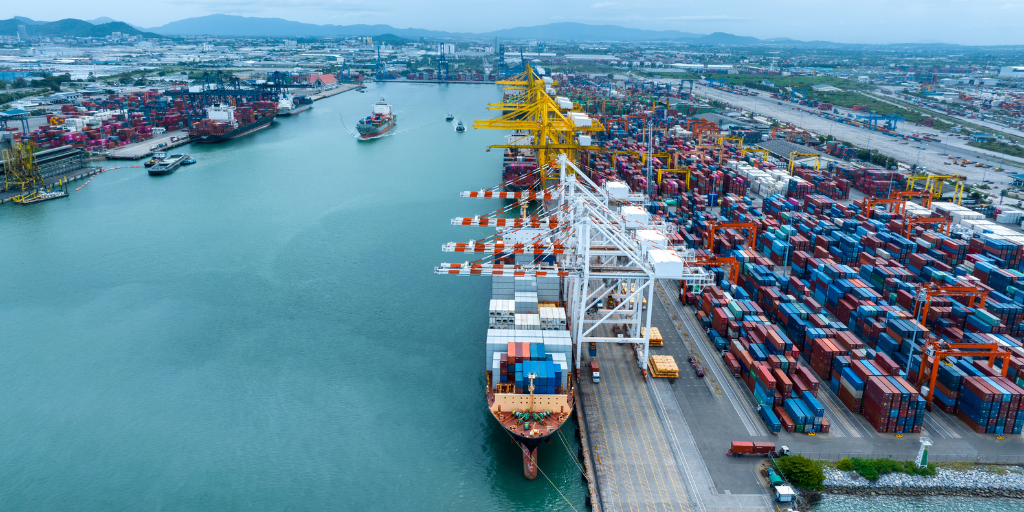
Ocean freight handles the bulk of USA-Australia cargo. Slower than air, yes. But the cost difference is massive – especially for heavy or bulky goods.
Full Container Load (FCL)
When you book FCL, you’re hiring an entire container. Your goods travel alone. No other cargo mixed in. The two main options are 20-foot and 40-foot containers, with 40-foot high cube versions available for lighter but bulkier items.
FCL makes sense when you’re shipping larger volumes. Below a certain threshold, you’re paying for empty space. We can work out the crossover point based on your cargo.
Rates move with demand, fuel costs, and seasonal patterns. The run-up to Christmas typically sees tighter equipment availability and higher rates as consumer goods flood the trans-Pacific lanes.
Less than Container Load (LCL)
LCL means your goods share space with other shipments. Your cargo gets consolidated at the US port with other businesses’ goods, shipped together, then separated out at the Australian destination.
This works for smaller shipments, or when you’re testing a product or supplier before committing to full containers. The trade-off is extra handling time at both ends, plus slightly higher damage risk from the additional handling steps.
West Coast vs East Coast Routes
Geography matters on this route. West Coast ports offer the fastest and most frequent services to Australia.
Los Angeles and Long Beach together form America’s busiest port complex. Most Australia-bound cargo ships from here. Transit time runs around 18 to 22 days to Melbourne or Sydney – occasionally faster on express services, sometimes longer with transshipment.
Oakland and Seattle-Tacoma handle solid Australia volumes too. Both offer weekly sailings with similar transit times to LA.
East Coast ports work for cargo originating in the eastern USA, but transit times stretch out. Vessels from New York/New Jersey, Savannah, or Charleston need to travel through the Panama Canal, adding days to the journey. Expect 30 to 38 days from East Coast ports. Most services also stop at LA on the way, which adds to the total time.
The reality: if your goods are anywhere near the West Coast, ship from there. If they’re firmly on the East Coast and overland transport to the West Coast costs more than the extra sea freight time is worth, then East Coast shipping makes sense.
Australian Ports
Most US cargo arrives through Port Botany in Sydney or Port of Melbourne. Both handle high volumes from the trans-Pacific route. Port of Brisbane takes solid tonnage too. Fremantle in Perth and Port Adelaide serve their regions but see less US cargo than the eastern ports.
Your port choice typically depends on where your warehouse sits or where your customers are. Sometimes specific shipping lines favour particular Australian ports, which can affect your options.
Air Freight: When Speed Justifies the Cost
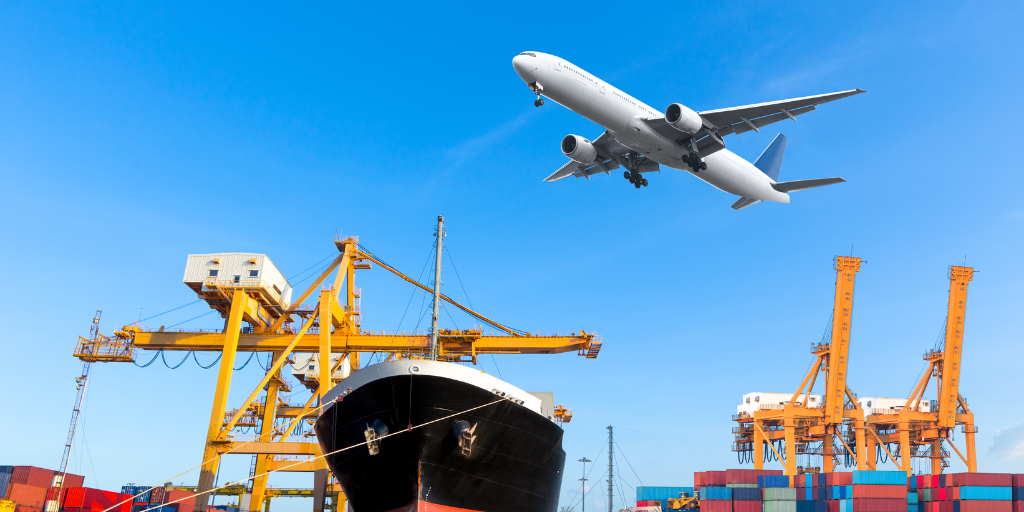
Air freight costs a lot more per kilo. But sometimes it’s worth every cent.
Speed is the obvious win. Production parts stopping your manufacturing line? Urgent pharmaceutical restocks? Product launch with a locked-in date? Air freight gets goods from the USA to Australia in a matter of days, not weeks. We’re talking 2 to 5 days door-to-door for most shipments.
High-value, low-weight goods often make sense for air. The faster transit means less working capital tied up in shipping, and tighter air cargo security reduces theft risk. Medical equipment, pharmaceutical products, electronics components, and high-value samples commonly fly.
Temperature-sensitive pharmaceuticals and biologicals need air freight. They can’t survive weeks at sea while maintaining stability.
One thing to understand about air freight pricing: airlines charge on whichever is higher – actual weight or volumetric weight. Light but bulky items cost more than you might expect because of the cargo space they take up.
Choosing Between Sea and Air
The decision comes down to your product, your timeline, and your margins. Sea freight is the default for most regular imports – anything where a few weeks’ transit doesn’t create problems. Air freight earns its premium when speed matters, when goods are high-value relative to weight, or when they simply can’t handle the longer journey.
Many importers use both. Regular stock comes by sea with longer lead times built into the ordering cycle. Emergency restocks or high-margin items fly when needed.
Understanding Shipping Costs
The freight quote you get is rarely the full picture. Understanding what goes into total landed cost helps you budget accurately and avoid surprises.
Several things affect your freight costs. Cargo weight and volume are primary – you’re typically charged on whichever works out higher. Hazardous goods or special-handling cargo attracts extra charges. The specific route matters. The time of year matters too – peak season before Christmas sees higher rates across the board.
Beyond the base freight, expect charges at origin (collection in the USA, export clearance, terminal handling, documentation) and destination (import clearance, inspections, terminal handling, delivery in Australia). Fuel surcharges and currency adjustments are standard.
Port-to-port quotes and door-to-door quotes can look very different. Ask for all-inclusive pricing so you know your true landed cost.
Customs Clearance: Where Things Get Stuck
This is where shipments bog down. Not because the process is complicated – it isn’t. Delays happen because paperwork wasn’t right.
Australian Border Force Requirements
Every commercial import must be declared to the Australian Border Force through the Integrated Cargo System before your goods arrive. Lower-value goods go through simplified self-assessed clearance. Higher-value shipments need formal customs entries with full documentation.
The documents you need are your commercial invoice (seller and buyer details, goods description, HS codes, value, Incoterms), packing list (carton counts, weights, dimensions), and bill of lading or airway bill. If you’re claiming AUSFTA duty-free status, you’ll need proper origin documentation from your US supplier.
Depending on what you’re importing, you may need additional permits, certificates, or test reports. Medical devices need TGA approval. Some chemicals need specific clearances. Certain food products need permits. Our customs team can advise on requirements for your specific goods.
Claiming AUSFTA Duty-Free Status
To bring goods in duty-free under AUSFTA, three things need to line up.
First, your goods must actually originate in the United States. Most products manufactured in the USA qualify. Some goods only assembled there using imported components might not – your US supplier can confirm origin status.
Second, you need documentation proving origin. Under AUSFTA, this can be a certificate from your supplier, or in some cases just a declaration based on your knowledge of where the goods come from. What you need depends on the value and type of goods.
Third, your customs entry needs to declare the AUSFTA preference correctly. Our customs brokers handle this part, making sure you claim every dollar of duty savings you’re entitled to.
Here’s what catches people out: many importers pay duties on goods that should enter duty-free. They either don’t know to claim AUSFTA, or their US supplier doesn’t provide the right documentation. Don’t leave money on the table.
Biosecurity and DAFF Requirements
The Department of Agriculture, Fisheries and Forestry takes biosecurity seriously. Certain goods from the USA need permits, treatment, or inspection before entering Australia.
BICON – the Biosecurity Import Conditions system – tells you what’s required for your specific goods. Check it before you ship, not after goods arrive at the port.
Wooden packaging creates particular issues. Pallets, crates, timber dunnage – these need treatment certificates. Food and agricultural products need appropriate clearances. Even some manufactured goods packed in wood require fumigation certificates.
GST Still Applies
GST hits at 10% on most imports, calculated on customs value. Even if your goods enter duty-free under AUSFTA, you still pay GST. There’s no getting around that.
For the small number of goods not covered by AUSFTA, standard customs duties apply based on HS code classification.
Exporting from Australia to the USA
The USA-Australia trade lane genuinely runs both ways. American buyers import serious volumes of Australian products.
What Australia Exports
Beef leads Australian exports to the USA by a fair margin. Australian beef has built solid reputation in American markets – quality, consistency, food safety standards. The USA ranks as one of Australia’s largest beef export destinations.
Wine moves in serious volumes too. Australian wine has carved out strong market presence across the USA. From entry-level bottles to premium labels, Australian wine sits on American retail shelves and restaurant lists. American consumers know Australian wine brands.
Lamb exports to niche markets. Areas with diverse populations familiar with lamb consumption buy Australian lamb. The volumes don’t match beef, but they’re steady.
Machinery and equipment serve specific niches. Australian-made mining equipment, agricultural machinery, specialised industrial gear – these find American buyers in relevant industries.
Pharmaceutical preparations and medical devices export in growing volumes. Australian pharmaceutical manufacturers sell into the massive American healthcare market where they can meet FDA requirements.
Beer and spirits beyond wine export in smaller but growing amounts. Australian craft beer and spirits are building American markets.
Pearls and gemstones represent a uniquely Australian export. Pearls from Australian waters, particularly South Sea pearls, and Australian opals serve American jewellery markets.
Coal, minerals, and other resources move in bulk when demand warrants. Australian resource exports serve specific American industrial needs.
Export Documentation and US Requirements
Exporting to the USA means meeting American customs, FDA, and various regulatory requirements. What you need varies significantly by product category.
Food products face FDA regulations – registration, labelling, compliance with US food safety standards. Meat needs USDA approval and must come from approved Australian establishments. Each product category has different rules.
Generally, you’ll need commercial invoices, packing lists, and origin documentation from the Australian side. Depending on products, health certificates, certificates of origin, and product-specific paperwork may be required.
Your American buyer or their customs broker handles the import clearance at their end. But getting your export documentation right from the start avoids delays and penalties that come back to bite you.
TSL works with partners across the USA – Los Angeles, New York, Chicago, Houston – to coordinate delivery to your buyers wherever they’re located.
How TSL Handles Your USA-Australia Shipments
Importing or exporting – we manage both. End to end.
For imports, our team coordinates with partner agents across major US ports – Los Angeles, Long Beach, Oakland, Seattle, New York, Savannah – to collect your cargo, handle export documentation, and book the smartest shipping option. On the Australian side, our licensed customs brokers prepare your import entries, calculate duties and GST, ensure AUSFTA duty savings are claimed correctly, liaise with the Australian Border Force and DAFF, handle biosecurity requirements, and arrange delivery anywhere across Australia.
For exports, we arrange collection from your Australian location, handle export documentation and clearance, coordinate the freight booking, and work with our US partners to ensure delivery to your buyer.
When problems pop up – and in international shipping, they do – we’re on it. Delayed vessels, documentation queries, unexpected inspections. We’ve seen it all over 25 years on this route, and we know how to sort problems out quickly.
We provide tracking so you always know where your cargo sits. And when you call us, you get someone who knows your shipment.
What We Need to Quote Your Shipment

To give you an accurate quote, we’ll need a few details: what you’re shipping (product description and HS codes if you have them), pickup and delivery locations, and approximate weight and volume.
We’ll come back with a full door-to-door quote covering freight, customs clearance, and delivery. No hidden charges, no surprises when your goods arrive.
If you’re not sure about HS codes, biosecurity requirements, or whether your goods qualify for AUSFTA duty-free treatment, we can help with that too. It’s what we do.
Get in Touch
Importing from the USA? Exporting Australian products? Either way, talk to us.
Contact TSL Australia:
Phone: 03 9533 8886
Request a quote
We’ll respond within 24 hours with a full quote for your shipment.