Freight Forwarder Brisbane
Home > Freight Forwarder > Freight Forwarder Brisbane
Queensland’s capital serves as a critical gateway for international trade, with the Port of Brisbane handling over 1.4 million TEU annually and Brisbane Airport operating as a 24-hour, curfew-free cargo hub. For businesses importing raw materials or exporting finished products, navigating the complexities of customs clearance, documentation, and logistics coordination requires an experienced partner. TSL Australia provides comprehensive freight forwarding services in Brisbane, managing every step of your supply chain from origin to final delivery across Queensland.
What is Freight Forwarding?
Freight forwarding is the strategic coordination of moving goods from one international location to another. A freight forwarder doesn’t own ships or aircraft but acts as the expert intermediary between your business and the global network of shipping lines, airlines, and transport providers. In Brisbane, this means managing cargo through major infrastructure like the Port of Brisbane and Brisbane Airport while ensuring compliance with Australian Border Force regulations and biosecurity requirements.
For businesses importing manufactured goods or exporting Queensland’s agricultural products, a professional freight forwarder handles the complex documentation, negotiates competitive freight rates, and manages the physical movement of cargo across international borders. The role extends beyond simple transport to encompass warehousing and final delivery coordination throughout Queensland.

How to Organise Freight in Brisbane
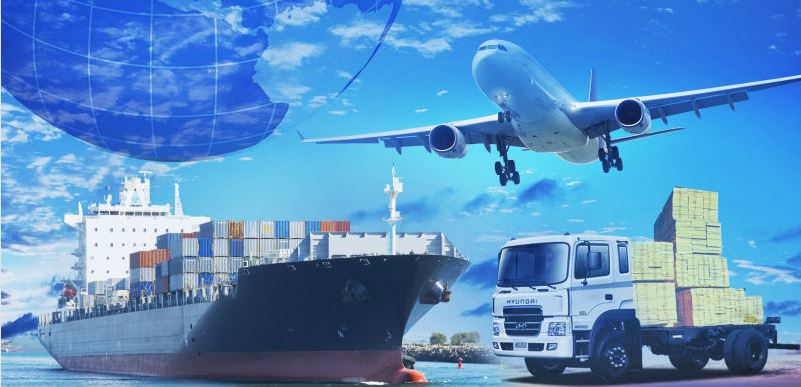
Organising international freight through Brisbane involves careful planning and coordination across multiple stakeholders. At TSL Australia, we simplify this process by acting as your single point of contact from start to finish.
The process begins with understanding your cargo requirements. We assess the nature of your goods, their volume, urgency, and destination to determine the most appropriate transport mode. For bulk shipments or heavy machinery, sea freight through the Port of Brisbane offers cost efficiency. For time-sensitive inventory or high-value electronics, air freight via Brisbane Airport provides speed.
Documentation forms a critical part of freight organisation. We prepare all necessary paperwork including bills of lading, commercial invoices, packing lists, and certificates of origin. Our brokers ensure these documents meet the specific requirements of the Australian Border Force and the Department of Agriculture, Fisheries and Forestry for biosecurity clearance.
Once your cargo arrives in Brisbane, we coordinate the customs clearance process, arrange transport from Fisherman Islands or the airport, and manage delivery to your warehouse or distribution centre. This end-to-end approach removes the administrative burden from your business, allowing you to focus on your operations while we handle the logistics.
Brisbane Freight Forwarding Services
Sea Freight Port of Brisbane
Sea freight remains the most economical method for moving large volumes of cargo internationally. Operating through the Port of Brisbane at Fisherman Islands, TSL Australia manages both Full Container Load (FCL) and Less than Container Load (LCL) shipments.
For businesses with sufficient volume to fill a 20-foot or 40-foot container, FCL provides exclusive use of the container and faster handling at the port. This option works well for large machinery, bulk raw materials, or significant retail stock shipments. Your goods travel directly from the supplier’s facility to your Brisbane warehouse without sharing space with other cargo.
LCL offers a cost-effective alternative for smaller shipments that don’t fill an entire container. We consolidate your cargo with other shipments heading to Brisbane, allowing you to pay only for the space you use. While transit times may be slightly longer due to consolidation and deconsolidation, LCL makes international shipping accessible for small and medium businesses.
Our team manages the entire sea freight process, from booking space with shipping lines to coordinating wharf cartage and container unpacking at the Port of Brisbane. We maintain relationships with major carriers to secure competitive rates and priority space during peak shipping seasons.
Air Freight Brisbane Airport
When speed matters, air freight through Brisbane Airport delivers the fastest transit times available. Brisbane Airport’s 24-hour, curfew-free operations provide a significant advantage over other Australian airports, enabling next-flight-out services for truly urgent cargo.
Air freight suits high-value goods, urgent inventory replenishments, and technology products where market timing is critical. While the cost per kilogram exceeds sea freight, the dramatic reduction in transit time can justify the investment for many businesses.
We offer both consolidated and express air freight services. Consolidation allows smaller shipments to share space on scheduled flights, reducing costs while still maintaining faster transit than sea freight. Express services provide the quickest possible delivery for truly urgent cargo.
Our proximity to Brisbane Airport and established relationships with major airlines mean your cargo receives priority handling. We coordinate pick-up from the air cargo terminal and arrange immediate transport to your facility, minimising the time between arrival and availability for sale or use.
Customs Clearance
Navigating Australian customs requirements demands specialist knowledge and experience. TSL Australia manages all aspects of border compliance for your Brisbane imports and exports.
Every shipment entering Australia must clear the Australian Border Force. This involves lodging import declarations, classifying goods according to the Harmonised System, calculating duties and taxes, and arranging payment. Our brokers ensure your documentation is accurate and complete, preventing delays at the border.
Biosecurity presents an additional layer of complexity. The Department of Agriculture, Fisheries and Forestry enforces strict biosecurity standards to protect Australia’s unique environment and agricultural industries. We coordinate any required inspections, treatments, or certifications to ensure your cargo meets these standards.
Beyond basic clearance, our customs expertise extends to identifying duty concessions and tariff classifications that minimise your landed costs. We stay current with changes to Australian trade agreements and customs regulations, ensuring your business remains compliant while optimising your supply chain expenses.
Technology and Tracking
Modern logistics requires real-time visibility over your supply chain. TSL Australia utilises advanced tracking technology to provide complete transparency throughout your shipment’s journey.
From the moment your cargo departs the origin port or airport, you can monitor its progress through our digital systems. We provide updates at each major milestone including departure, arrival at the Port of Brisbane or Brisbane Airport, customs clearance completion, and final delivery. This visibility allows you to plan inventory management, schedule warehouse staff, and communicate accurate arrival times to your own customers.
Our technology integration extends to electronic lodgement with Australian Border Force, reducing processing times and minimising the risk of manual errors in documentation. This digital-first approach delivers faster clearances and better supply chain predictability.
Industries We Serve
Our Brisbane freight forwarding services support businesses across diverse sectors, each with unique logistics requirements.
Mining and resources clients operating throughout Queensland rely on us to manage heavy equipment and industrial machinery. We coordinate the movement of oversized cargo to regional mining sites, handling the complex logistics of project freight.
Agriculture businesses depend on our services to export Queensland’s premium produce to international markets. We manage shipments and ensure compliance with destination country biosecurity requirements.
Retail clients trust us to manage high-volume consumer goods imports, particularly during peak seasons when timing is critical. We coordinate container loads of stock from Asian manufacturers to Brisbane distribution centres, ensuring products reach shelves or fulfilment centres on schedule.
Manufacturing businesses use our services to coordinate the arrival of raw materials and components from international suppliers. Whether importing machinery from Europe or exporting finished products to Asia-Pacific markets, we manage the complex logistics that keep production lines running.

International Freight Routes
Brisbane serves as Queensland’s primary connection to global markets. TSL Australia maintains strong shipping and air freight lanes connecting Brisbane businesses to every major trading region.
Asia-Pacific routes see the highest frequency, with regular services connecting Brisbane to China, Japan, South Korea, and Southeast Asian manufacturing hubs. These lanes handle the majority of consumer goods imports and raw material shipments that fuel Queensland’s economy.
Trans-Tasman connections to New Zealand operate almost as domestic routes, with frequent sailings and flights supporting the close economic relationship between Australia and New Zealand.
European and UK trade moves through established lanes connecting Brisbane to major ports in Germany, the Netherlands, and the United Kingdom. These routes typically involve longer transit times but provide reliable service for industrial equipment and specialised goods.
North American connections link Brisbane to the United States and Canada, supporting both import of technology products and export of Australian agricultural goods and raw materials.
Sea Freight vs Air Freight: Choosing the Right Mode
Selecting between sea and air freight depends on your specific business priorities and cargo characteristics.
Choose sea freight when cost efficiency matters more than speed. Ocean freight works well for bulk commodities, heavy machinery, furniture, or any cargo where the lower per-kilogram cost justifies longer transit times. Sea freight also suits businesses with predictable demand and sufficient inventory buffers to accommodate the weeks-long transit from most origins.
Select air freight when speed justifies the higher cost. Time-sensitive products, high-value electronics, or urgent restocks to prevent stockouts make air freight the logical choice. The dramatic reduction in transit time can prevent lost sales, maintain just-in-time manufacturing schedules, or capture time-sensitive market opportunities.
Many businesses use a combination of both modes. Regular stock replenishments move by sea freight to minimise costs, while urgent orders or new product launches arrive by air. TSL Australia helps you determine the optimal mix for your specific situation, balancing cost control with service level requirements.

Why Choose TSL as Your Brisbane Freight Forwarder
TSL Australia brings deep expertise in Brisbane freight forwarding combined with a personalised service approach that larger corporate forwarders cannot match.
Our team possesses detailed knowledge of Port of Brisbane operations, Brisbane Airport procedures, and Queensland transport infrastructure. This local expertise translates to faster problem resolution, better carrier relationships, and smoother logistics operations for your business.
We handle both freight forwarding and customs clearance under one roof. This integrated approach eliminates coordination gaps between separate providers and ensures your cargo moves through the border without unnecessary delays.
We focus on building long-term partnerships rather than transactional relationships. When you work with TSL Australia, you gain a dedicated account manager who understands your business, anticipates your needs, and proactively manages your supply chain.
Our approach uses transparent communication. We provide clear updates at each stage, explain any issues before they become problems, and offer solutions rather than excuses. This proactive style keeps your business informed and in control of your logistics.
Frequently Asked Questions
What is the difference between FCL and LCL?
FCL (Full Container Load) means you have exclusive use of a shipping container, typically 20 or 40 feet. Your cargo fills the entire container, travels directly from origin to Brisbane, and doesn’t share space with other shipments. LCL (Less than Container Load) involves sharing container space with other shippers. Your cargo is consolidated with others at origin, shipped together, then separated at the Port of Brisbane. LCL is cost-effective for smaller volumes but may add a few days to transit time.
Do I need a broker for importing to Brisbane?
While Australian law doesn’t mandate using a broker for every import, the complexity of customs regulations makes professional assistance highly advisable. Incorrect declarations can result in penalties, cargo holds, or excessive duty payments. Our brokers ensure accurate classification, proper duty calculation, and compliance with all Australian Border Force and biosecurity requirements.
Can you handle oversized or project cargo?
Yes. Beyond standard containerised freight, we manage break-bulk cargo, oversized machinery, and project logistics through the Port of Brisbane. This includes coordinating specialised transport from the wharf, arranging necessary permits for road transport across Queensland, and managing the complex documentation that oversized cargo requires.
What documents do I need for importing to Brisbane?
The basic documentation includes a commercial invoice, packing list, and bill of lading or airway bill. Depending on your goods, you may also require certificates of origin, import permits, or specific biosecurity documentation. Our team guides you through the exact requirements for your particular cargo and handles the preparation or verification of all necessary documents.
How is air freight cost calculated?
Air freight pricing uses “chargeable weight,” which considers both actual weight and volumetric size. Airlines calculate volumetric weight using the cargo’s dimensions. They then charge based on whichever is greater: actual weight or volumetric weight. This ensures appropriate pricing for lightweight but bulky cargo that takes up significant aircraft space.
Contact TSL Australia
Ready to streamline your Brisbane freight forwarding? Contact our team today to discuss your specific requirements for sea freight, air freight, or customs clearance. We’ll provide a comprehensive analysis of your logistics needs and develop a solution that balances cost efficiency with service reliability.
Call us on 03 9533 8886 or visit our website at tslaustralia.com to speak with one of our Brisbane logistics specialists.