Shipping Between Germany and Australia: Import and Export Guide
Germany and Australia maintain solid trading ties. Goods move steadily between the two countries – German automotive parts, machinery, and pharmaceutical products coming into Australia, while Australian coal, meat, and wine head to Germany.
Unlike Australia’s Asian trade partners, there’s no free trade agreement between Germany and Australia. Standard tariffs apply. But the trade volume remains significant – German engineering quality and Australian resource exports create natural two-way trade.
Most businesses on this route import German technology and manufactured goods. But Australian exporters find steady demand for resources and agricultural products in the German market. TSL handles both directions.
Here’s what you need to know about freight, customs, and managing the longer transit times on this route.
Why Businesses Import from Germany
Germany produces high-quality manufactured goods across multiple sectors. German engineering has a global reputation. Automotive components, industrial machinery, pharmaceutical products – German manufacturing sets standards that Australian businesses rely on.
What Gets Imported
Automotive parts lead German exports to Australia. Germany is home to BMW, Mercedes-Benz, Volkswagen, and Audi. Australian dealerships, repair shops, and automotive businesses import genuine parts, performance components, and accessories. The aftermarket for German vehicles in Australia creates consistent demand.
Machinery and mechanical appliances form a major category. Industrial equipment, construction machinery, manufacturing systems – German engineering serves Australian industry. Quality and precision make German machinery worth the premium.
Pharmaceutical products represent substantial trade. German pharmaceutical companies produce medications, medical supplies, and pharmaceutical ingredients for the Australian market. Quality standards align with Australian regulatory requirements.
Optical and medical instruments move steadily. From surgical instruments to diagnostic equipment, laboratory apparatus to precision optics, German medical technology serves Australian healthcare.
Electrical machinery and equipment, plastics, chemicals, aircraft parts, and precision instruments round out the main import categories. German manufacturing strength covers diverse industrial sectors.
Sea Freight: The Primary Mode Despite Distance

Ocean freight carries most cargo between Germany and Australia. The distance is substantial – significantly longer than routes from Asia. But for most commercial imports, sea freight remains the economical choice.
Full Container Load (FCL)
FCL means you’re booking an entire container. Your goods travel alone. Standard containers come in 20-foot and 40-foot sizes, with 40-foot high cube options for lighter, bulkier cargo.
FCL makes sense when you’re shipping enough volume to justify the container space. Given the longer transit time from Germany, many importers ship larger volumes less frequently to balance inventory management with freight economics.
Less than Container Load (LCL)
LCL means your cargo shares container space. Your goods get consolidated at the German port, shipped with other cargo, then separated at the Australian destination.
This works for smaller shipments or when testing products before committing to full containers. The trade-off is additional handling time and the extended transit inherent in the Germany-Australia route.
Key Ports and Routes
Hamburg is Germany’s largest container port and the main gateway for Australia-bound cargo. Its infrastructure handles massive volumes efficiently. Bremerhaven, north of Hamburg, specializes in automotive ro-ro shipping but also handles containers.
Rotterdam in the Netherlands often serves as an alternative gateway for German cargo, particularly for goods originating in western and southern Germany.
The route from Europe to Australia typically goes through the Suez Canal, across the Indian Ocean, to Australian ports. Transit time is substantial – expect 40 to 61 days port-to-port depending on the specific service and any transshipment points.
In Australia, most German cargo arrives through Port of Melbourne, Port Botany in Sydney, Port of Brisbane, or Fremantle in Perth.
Packaging Requirements for Sea Freight
Australia enforces strict biosecurity rules on packaging materials. If your shipment uses wooden crates, pallets with wood components, or packing materials containing straw or bark, fumigation or heat treatment certificates are required.
Make sure your German supplier understands these requirements. Treatment before shipping saves delays and costs at the Australian end.
Air Freight from Germany

Air freight costs substantially more than sea, but the Germany-Australia distance makes air freight competitive for specific cargo types.
Time-sensitive shipments – urgent automotive parts for vehicle repairs, pharmaceutical products with short lead times, machinery components stopping production lines – justify air freight. Transit time drops to 3 to 7 business days.
High-value, low-weight items often make economic sense for air. Precision instruments, pharmaceutical products, specialized automotive components, electronics commonly travel this way.
Temperature-sensitive pharmaceutical products require air freight. These products can’t survive the longer ocean journey.
Major German airports – Frankfurt, Munich, Cologne/Bonn – offer air freight connections to Australian airports. Most services connect through Asian hubs.
Understanding Shipping Costs
The initial freight quote rarely reflects complete landed cost. The Germany-Australia route is longer than Asian origins, which affects overall pricing.
Several factors drive freight rates. The route length is significant – Germany to Australia involves either Suez Canal routing or, rarely, around Africa. Weight and volume determine charges. Hazardous goods or special-handling items attract surcharges.
Beyond base freight, expect charges at origin in Germany (collection, export clearance, port handling, documentation) and at destination in Australia (import clearance, inspections including biosecurity checks, port handling, delivery). Fuel surcharges and currency factors are standard.
The longer transit time from Germany means more working capital tied up in shipping compared to Asian origins. Factor this into your total cost calculations.
Customs Clearance Without FTA Benefits
There’s no free trade agreement between Germany and Australia. Standard Australian tariffs apply based on HS code classification.
Australian Import Requirements
Every commercial import requires declaration to the Australian Border Force through the Integrated Cargo System before arrival. You’ll need commercial invoice, packing list, and bill of lading or airway bill.
For sea freight, a packing declaration is mandatory. This document specifies the packing materials used. If wood or plant-based materials are involved, appropriate treatment certificates are required.
Depending on your products, additional permits, certificates, or test reports may be necessary. Pharmaceutical imports face particularly strict regulatory requirements. Medical devices need TGA approval. Automotive parts for road vehicles must meet Australian Design Rules.
Biosecurity Requirements
The Department of Agriculture, Fisheries and Forestry enforces strict biosecurity controls. Certain goods from Germany require permits, treatment, or inspection.
BICON specifies requirements for your particular goods. Check it before shipping.
Wooden packaging – crates, pallets – requires fumigation or heat treatment certification. This is non-negotiable. Food products face specific import conditions. Plant-based materials need appropriate clearances.
Duties and Taxes
Customs duties vary by product category and HS code. Without an FTA, standard tariff rates apply. These can be substantial for certain categories.
GST applies at 10% on all imports, calculated on customs value plus duty.
Getting the HS code classification right matters. It determines your duty rate. Our customs brokers ensure correct classification to avoid overpaying or compliance issues.
Exporting from Australia to Germany
Germany imports Australian resources and agricultural products steadily.
What Australia Exports to Germany
Coal leads Australian exports to Germany. Despite Germany’s energy transition, coal still serves specific industrial needs. Australian coal quality meets German industrial requirements.
Meat products – particularly beef and lamb – find buyers in German markets. Australian meat’s quality reputation opens doors in German food service and retail.
Wine exports to Germany have grown. German wine merchants and consumers appreciate Australian wine quality and value across price points.
Wool supplies German textile manufacturers. Australian wool quality serves high-end textile production.
Cereals, ores, and metals round out major export categories. Australian resource exports serve German industrial needs.
Export Documentation and German Requirements
Exporting to Germany means meeting EU import regulations. Documentation requirements are substantial.
Food products face EU food safety regulations. Registration, labelling (often requiring German language for retail products), and compliance with EU standards are required. Meat exports need health certificates and must come from approved establishments.
Generally, you’ll need commercial invoices, packing lists, and appropriate origin documentation. EUR.1 certificates or origin declarations may provide preferential treatment under certain circumstances, though there’s no full FTA.
Your German buyer or their customs broker handles import clearance. But having your export documentation correct avoids delays and penalties.
TSL works with partners in Germany to coordinate delivery to your buyers.
How TSL Manages Germany-Australia Shipments
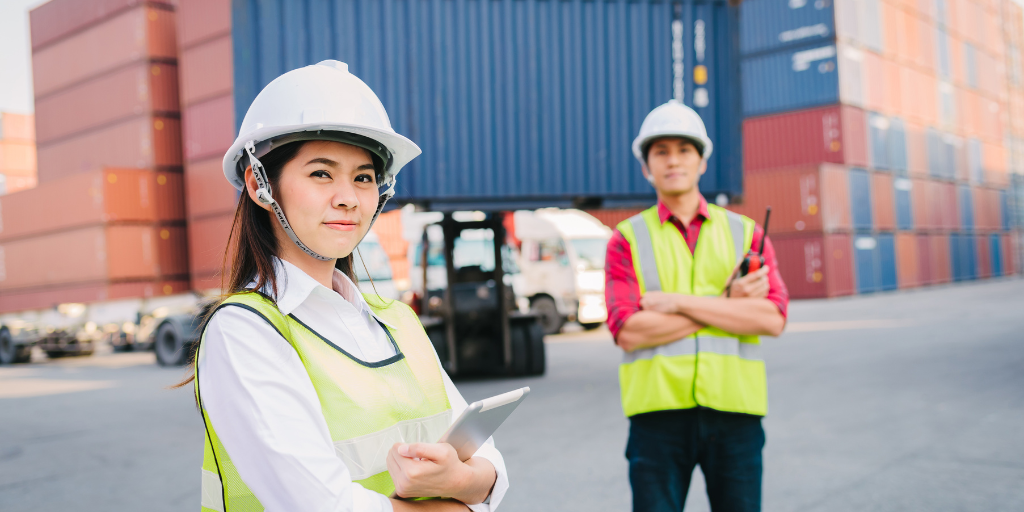
We handle logistics in both directions.
For imports, our European partner network collects your cargo from your German supplier, handles German export documentation and clearance, and books optimal shipping. On the Australian side, our licensed customs brokers prepare import entries, calculate duties correctly, liaise with ABF and DAFF on biosecurity requirements, and arrange delivery across Australia.
For exports, we collect from your Australian location, handle export documentation, book freight, and work with our German partners to deliver to your buyer.
The longer transit time on this route makes tracking and communication important. You always know where your cargo is. When you call, you speak to someone who knows your shipment.
What We Need to Quote Your Shipment
To provide an accurate quote, we need: product description and HS codes if available, pickup and delivery locations, approximate weight and volume, and any special requirements like temperature control or hazardous goods handling.
We’ll provide complete door-to-door pricing covering freight, customs clearance, and delivery.
If you’re not sure about HS codes, duty rates, or regulatory requirements for your products, we can guide you.
Importing from Germany? Exporting Australian products? Either way, talk to us.
Get in Touch
Contact TSL Australia:
Phone: 03 9533 8886
Request a quote
We’ll respond within 24 hours with a complete quote for your shipment.