Shipping Between Malaysia and Australia: Import and Export Guide
Malaysia ranks as Australia’s tenth-largest trading partner. Two-way trade sits around AUD 20 billion annually. Electronics, palm oil, rubber products, and machinery flow from Malaysia to Australia. Australian wheat, meat, dairy, and minerals head the other direction.
The Malaysia-Australia Free Trade Agreement has been in force since 2013. Nearly all goods now move duty-free or at significantly reduced rates. This agreement changed the economics of the route – what used to attract 5-10% duties now enters free in most categories.
Most businesses on this route are importing from Malaysia. That’s where this guide focuses its attention. But we also handle exports for Australian businesses selling into the Malaysian market. TSL has managed this route for over 25 years, both directions.
Here’s what you need to know about freight options, customs requirements, and where shipments typically get delayed.
Why Businesses Import from Malaysia
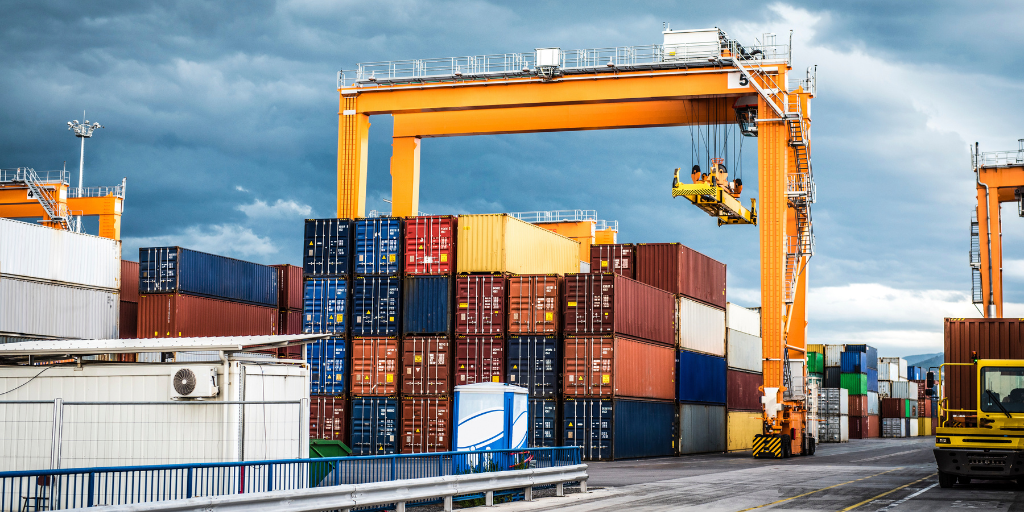
Malaysia’s manufacturing sector produces everything from semiconductors to furniture, palm oil to rubber products. Costs are competitive, quality meets international standards, and with MAFTA duty reductions, the numbers work better than they used to.
MAFTA Opens Trade
The Malaysia-Australia Free Trade Agreement changed the economics of this trade route. Since 2013, duties on a wide range of goods have been eliminated or reduced. Electronics, machinery, furniture, rubber products, palm oil – 98% of Malaysian exports to Australia now enter duty-free.
To claim MAFTA benefits, you need proper documentation from your Malaysian supplier. We’ll cover the specifics in the customs section.
What Gets Imported
Electronics and electrical equipment lead Malaysia’s exports to Australia. Malaysia is a major hub for semiconductor manufacturing and electronics assembly. Computer components, integrated circuits, electrical machinery, and consumer electronics flow steadily.
Palm oil and palm oil derivatives represent significant volumes. Malaysia is the world’s second-largest palm oil producer. Australian importers source palm oil for food manufacturing, cosmetics, and industrial applications.
Rubber and rubber products come in regularly. Malaysia produces natural rubber and manufactures rubber gloves, tyres, and industrial rubber products for global markets.
Furniture, particularly timber furniture, forms another major category. Malaysian manufacturers produce both solid wood and engineered wood furniture for wholesale and retail markets throughout Australia.
Machinery and mechanical appliances cover a broad range – from industrial equipment to consumer appliances. Malaysia’s manufacturing base serves diverse markets.
Textiles and garments, footwear, plastics, and food products (processed foods, sauces, canned goods) round out the main import categories.
Sea Freight: The Primary Mode for Malaysia-Australia Trade

Ocean freight carries the majority of cargo between Malaysia and Australia. It takes longer than air, but for most commercial shipments, the cost difference makes it the obvious choice.
Full Container Load (FCL)
FCL shipping means you’re booking an entire container. Your goods travel alone, with no other cargo mixed in. Standard 20-foot and 40-foot containers are available, with 40-foot high cube options for lighter, bulkier cargo.
FCL makes economic sense when you’re shipping enough volume to justify the container space. Below a certain threshold, you’re paying for air. We can calculate the crossover point based on your specific cargo.
Container rates move with market conditions – demand, fuel costs, seasonal patterns. Chinese New Year (late January or early February) and Hari Raya (timing varies) typically see increased volumes as businesses stock up, which can push rates higher.
Less than Container Load (LCL)
LCL means your cargo shares container space with other shipments. You’re charged per cubic metre (CBM) rather than booking the full container. Your goods get consolidated with other businesses’ cargo at the Malaysian port, shipped together, then separated at the Australian destination.
This works for smaller shipments, or when you’re testing products or suppliers before committing to larger volumes. The trade-off is additional handling time at both ends, plus marginally higher risk of damage from the extra handling steps.
Key Ports on the Malaysia-Australia Route
Port Klang, about 40 kilometres west of Kuala Lumpur, handles roughly 80% of Malaysia’s container traffic. It’s Malaysia’s main deepwater port and offers direct services to all major Australian ports. Most shipments originate here.
Penang Port, in northern Malaysia, serves the northern manufacturing zones and the Penang Free Industrial Zone. It handles both containers and breakbulk cargo, with regular services to Australia.
Johor Port (Pasir Gudang Port), in southern Malaysia near Singapore, serves the southern industrial corridor. It’s particularly useful for shipments from Johor’s manufacturing estates.
In Australia, most Malaysia cargo arrives through Port of Melbourne, Port Botany in Sydney, Port of Brisbane, Fremantle in Perth, or Port Adelaide. Your choice typically depends on your warehouse location or where your end customers are based.
Transit Times
Port Klang to Melbourne: 12-15 days
Penang to Sydney: 14-17 days
Johor to Brisbane: 13-16 days
These are port-to-port times. Add 3-5 days for customs clearance, biosecurity inspections where required, and delivery to your door.
Air Freight from Malaysia

Air freight costs substantially more per kilo than sea. But sometimes speed justifies the premium.
Time-sensitive shipments – restocking fast-moving products, meeting fixed launch dates, urgent production components – need air freight. The transit time drops from weeks to days.
High-value, low-weight items often make sense for air. Electronics components, semiconductors, precision instruments, pharmaceutical products commonly travel this way. The faster transit reduces working capital tied up in shipping, and air cargo’s tighter security reduces theft risk.
Perishables require air freight by necessity. Fresh produce, cut flowers, and temperature-sensitive products can’t survive the longer ocean journey.
Air freight pricing works on actual weight or dimensional weight, whichever is higher. Bulky but light items may cost more than expected because of the cargo space they occupy.
Kuala Lumpur International Airport (KLIA) serves as Malaysia’s main international air cargo hub, with direct air freight connections to Sydney, Melbourne, Brisbane, and Perth. Transit time is typically 3-5 days door-to-door.
Understanding Shipping Costs
The initial freight quote rarely reflects your complete landed cost. Understanding the full picture helps with accurate budgeting.
Several factors drive freight rates. Weight and volume are primary – you’re charged on whichever measurement works out higher for the carrier. Hazardous goods or special-handling cargo attracts surcharges. The specific route matters, as does timing – peak seasons see higher rates across the board.
Beyond base freight, expect charges at origin in Malaysia (collection, export clearance, port handling, documentation fees) and at destination in Australia (import clearance, biosecurity inspections where required, quarantine fees if applicable, port handling, delivery to your door). Fuel surcharges and currency adjustment factors are standard add-ons.
Port-to-port quotes look cheaper than door-to-door, but you’re arranging and paying for collection and delivery yourself. Understand your Incoterms. We provide complete door-to-door pricing so you know your true landed cost upfront.
For budgeting purposes, sea freight from Malaysia typically costs AUD 80-150 per cubic metre for LCL, or AUD 2,500-4,500 for a 20-foot container FCL, depending on route and timing. Air freight runs AUD 6-12 per kilo. These are rough guides – actual rates vary with market conditions.
Customs Clearance and MAFTA Benefits
MAFTA can cut your duty costs considerably. But you need the documentation right.
The Malaysia-Australia Free Trade Agreement
MAFTA eliminates duties on 98% of Malaysian exports to Australia. Electronics, machinery, rubber products, furniture, textiles – most categories now enter duty-free. Some agricultural products have longer phase-in periods, but even these see reduced rates.
To claim MAFTA benefits, your Malaysian supplier must provide a Certificate of Origin (Form MA). This document certifies that the goods originate in Malaysia and meet the rules of origin requirements. Without it, you pay the standard duty rate.
Required Documentation
Certificate of Origin (Form MA): Required to claim MAFTA duty benefits. Your supplier arranges this through the Malaysian Chamber of Commerce or equivalent authority.
Commercial Invoice: Must show accurate product descriptions, values, and HS codes. Vague descriptions cause delays. The Australian Border Force reviews every import declaration.
Packing List: Details the contents of each carton or pallet. Customs and biosecurity officers use this to determine what needs inspection.
Bill of Lading (sea) or Air Waybill (air): Your proof of shipment and contract of carriage.
Import Permits: Some products require permits before arrival. Quarantine-risk goods, therapeutic goods, certain electronics, and restricted items all need advance approval. We check permit requirements during quote stage.
Biosecurity Requirements
Australia’s biosecurity controls are strict. The Department of Agriculture, Fisheries and Forestry (DAFF) requires declaration of any cargo that contains, or may contain, plant or animal material. Check BICON (Biosecurity Import Conditions system) for your specific goods before shipping.
Timber furniture must be treated and certified pest-free. Wooden pallets and packaging require ISPM 15 treatment and stamps. Food products need biosecurity clearance and may require additional testing.
Failure to declare biosecurity risk items results in penalties, treatment costs, or destruction of goods. We handle biosecurity declarations as part of our standard clearance service.
Common Customs Delays
Incorrect HS codes slow things down. If the code on your invoice doesn’t match the actual goods, customs will query it.
Missing or incorrect Certificates of Origin mean you can’t claim MAFTA benefits. You’ll pay full duty rates, and fixing it after the fact is difficult.
Biosecurity holds happen when goods aren’t properly declared or documentation is incomplete. These can add days or weeks to clearance time.
Undervalued goods trigger investigations. If customs believes your declared value is too low, they’ll hold the shipment for valuation review.
Prohibited and Restricted Goods
Prohibited items include weapons, controlled substances, asbestos, certain chemicals, and counterfeit goods. Don’t try to import these. Restricted items require permits – antibiotics, pesticides, certain cosmetics, and cigarette lighters all need advance approval. Penalties for importing prohibited goods can reach $525,000 in fines and up to 10 years imprisonment. It’s not worth the risk.
Exporting from Australia to Malaysia
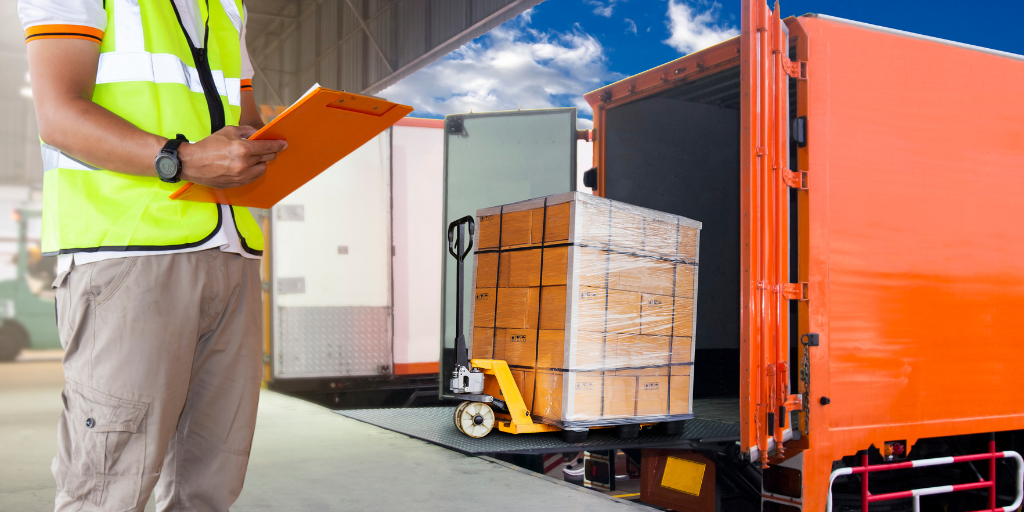
Australian businesses export wheat, meat, dairy products, coal, minerals, and education services to Malaysia. The freight process works in reverse, but with Malaysian import requirements to consider.
Popular Australian Exports
Wheat and grains top the list. Malaysia imports significant volumes of Australian wheat for flour milling and food manufacturing.
Meat products – beef, lamb, and mutton – flow to Malaysia’s food service and retail sectors. All meat exports require halal certification for the Malaysian market.
Dairy products (milk powder, cheese, butter) serve Malaysia’s food manufacturing industry and retail markets.
Coal and minerals support Malaysia’s industrial sector. Iron ore, alumina, and coal move in bulk shipments.
Halal Certification Requirements
Malaysia requires halal certification for all meat and many food products. The Australian Government Authorised Halal Program (AGAHP) certifies Australian meat establishments for export to Malaysia.
If you’re exporting food products, check whether halal certification is required. Your freight forwarder should verify this before shipment – sending non-certified products that require certification results in rejection at destination.
Malaysian Import Regulations
Malaysia maintains import licensing requirements for certain products. Rice, sugar, wheat, flour, and some other food items need import permits. Therapeutic goods, chemicals, and certain electronics also require advance approval.
Packaging and labeling must comply with Malaysian standards. Food products need ingredient lists in Bahasa Malaysia, nutritional information, and halal logos where applicable.
Why Choose TSL for Malaysia Shipping
We have an actual branch office in Malaysia. TSL Express Malaysia, founded in 2018, operates from Shah Alam in Selangor with staff throughout Johor, Penang, Port Klang, Sabah, and Sarawak. This isn’t just a partner arrangement. It’s our team, our office, our warehouse. That means local expertise, direct communication in English, Malay, or Chinese, and on-the-ground support for your Malaysian suppliers.
We’ve handled the Malaysia-Australia route for over 25 years. We know the ports, the carriers, the customs requirements, and where delays typically occur.
Our rates are competitive because we negotiate directly with carriers and consolidate volumes. You get the benefit of our buying power without the commitment of a long-term contract.
We handle full customs clearance in Australia, including biosecurity declarations, permit applications, and duty calculations. You don’t need a separate customs broker.
Door-to-door service means we collect from your supplier’s factory in Malaysia and deliver to your warehouse in Australia. One point of contact, one invoice, complete visibility.
Real-time tracking shows you where your shipment is at each stage. No chasing updates or wondering when goods will arrive.
Our Malaysia shipping specialists know the route. They can answer questions about MAFTA documentation, biosecurity requirements, transit times, and costs. You’re not dealing with a call centre – you’re talking to people who manage this route daily.
For more information about TSL Express Malaysia and our Malaysian operations, visit our Malaysia branch page.
Frequently Asked Questions
1. How long does shipping from Malaysia to Australia take?
Sea freight takes 12-17 days port-to-port. Varies by route. Add 3-5 days for collection, customs clearance, and delivery. Total door-to-door time is typically 15-22 days.
Air freight takes 3-5 days door-to-door, including customs clearance.
What are the shipping costs?
Sea freight LCL typically costs AUD 80-150 per cubic metre. FCL (full container) runs AUD 2,500-4,500 for a 20-foot container, depending on route and timing.
Air freight costs AUD 6-12 per kilo, depending on weight and dimensions.
These are indicative rates. Actual costs vary with market conditions, fuel prices, and seasonal demand. We provide firm quotes valid for 7-14 days.
Do I need an import license to import from Malaysia?
Most products don’t require an import license. However, certain categories do need permits or approvals:
- Quarantine-risk goods (plant/animal products)
- Therapeutic goods (medicines, medical devices)
- Some electronics (radio communications equipment)
- Restricted items (weapons, certain chemicals)
We check permit requirements during the quote stage and advise what’s needed.
What products can I import from Malaysia?
You can import most commercial goods. Popular categories include electronics, palm oil, rubber products, furniture, machinery, textiles, and food products.
Prohibited items include illegal drugs, weapons, certain plant and animal products, and counterfeit goods.
Restricted items require permits or special clearance. We advise on requirements for your specific products.
How do I claim MAFTA duty benefits?
You need a Certificate of Origin (Form MA) from your Malaysian supplier. This document certifies that the goods originate in Malaysia and meet MAFTA rules of origin.
Your supplier arranges the Certificate of Origin through the Malaysian Chamber of Commerce or equivalent authority. They must apply before or shortly after shipment.
We submit the Certificate of Origin with your customs entry. If it’s valid and the goods qualify, you pay zero duty on most products.
What is the customs clearance process?
When your goods arrive in Australia, we lodge a customs entry electronically. This includes product descriptions, values, HS codes, and the Certificate of Origin if claiming MAFTA benefits.
Customs reviews the entry. Most shipments clear immediately. Some are selected for inspection or biosecurity screening.
If inspection is required, we arrange it and handle any queries. Once cleared, we arrange delivery to your door.
Total clearance time is typically 1-2 days for straightforward shipments, 3-5 days if inspection or biosecurity screening is required.
Can you handle halal-certified exports to Malaysia?
Yes. We manage exports of halal-certified meat and food products to Malaysia regularly.
You need to ensure your products are certified under the Australian Government Authorised Halal Program (AGAHP) or equivalent. We handle the export documentation, including health certificates and halal certificates.
Malaysian customs requires specific documentation for halal products. We ensure all paperwork is correct before shipment to avoid rejection at destination.
What are the biosecurity requirements for importing from Malaysia?
Any cargo containing or potentially containing plant or animal material must be declared. This includes:
- Timber furniture and wooden products
- Food products
- Wooden pallets and packaging
- Used machinery (may contain soil or plant material)
Timber must be treated and certified pest-free. Wooden pallets need ISPM 15 treatment stamps. Food products require biosecurity clearance.
We handle biosecurity declarations as part of our standard clearance service. Failure to declare biosecurity risk items results in penalties, so it’s critical to get this right.
Get a Quote for Malaysia Shipping
We provide door-to-door quotes for sea freight and air freight from Malaysia to Australia, and exports in the reverse direction.
Tell us what you’re shipping, where it’s coming from, and where it needs to go. We’ll provide a complete landed cost quote, including freight, customs clearance, and delivery.
Phone: 03 9533 8886
Email: info@tslaustralia.com
Our Malaysia shipping specialists respond to quote requests within 4 business hours. For urgent shipments, call directly and we’ll prioritise your quote.