Shipping Between Indonesia and Australia: Import and Export Guide
Indonesia sits on Australia’s doorstep. Goods move constantly between the two countries – petroleum products, furniture, and agricultural products coming into Australia, while Australian wheat, cattle, and resources head to Indonesia.
Two trade agreements now cover Indonesia-Australia trade. The AANZFTA has been in place for years. The newer IA-CEPA agreement, which came into force in 2020, offers even better terms for many products. Combined, these agreements provide solid duty savings.
Most businesses on this route handle both imports and exports – Indonesia’s proximity and Australia’s resource exports create natural two-way trade. TSL manages both directions and has handled this route for over 25 years.
Here’s what you need to know about freight, customs, and making the most of the trade agreements.
Why Businesses Import from Indonesia
Indonesia’s economy is massive – the largest in Southeast Asia. The country produces everything from petroleum products to furniture, textiles to electronics. Proximity helps – shipping times are shorter than from China or India. And with IA-CEPA duty benefits, the economics work well.
IA-CEPA and AANZFTA Benefits
Indonesia-Australia trade benefits from two free trade agreements. AANZFTA (the ASEAN-Australia-New Zealand FTA) has been in force for years and eliminates or reduces duties on many goods.
IA-CEPA – the Indonesia-Australia Comprehensive Economic Partnership Agreement – came into force in 2020. It goes further than AANZFTA in many categories, offering better duty treatment for specific products. For some goods, you can choose which agreement provides better terms.
To claim benefits under either agreement, you need proper documentation from your Indonesian supplier. We’ll cover specifics in the customs section.
What Gets Imported
Refined petroleum products lead Indonesia’s exports to Australia. Indonesian refineries process crude oil and export refined products including diesel, gasoline, and aviation fuel.
Paper and paper products represent significant volumes. Indonesia produces paper, cardboard, and packaging materials for Australian industrial and consumer markets.
Furniture – particularly timber furniture – moves steadily. Indonesian manufacturers work with tropical hardwoods and modern materials. Products range from mass-market to mid-range designs.
Footwear comes in consistent volumes. Indonesian factories produce shoes across quality levels and price points for Australian retailers.
Palm oil and palm oil derivatives serve Australian food processing and industrial markets. Indonesia is the world’s largest palm oil producer.
Rubber, cocoa, and coffee represent agricultural commodity exports. Indonesian rubber supplies manufacturing. Cocoa and coffee serve Australian food and beverage industries.
Textiles and electronics round out the main categories. The range is broad – whatever you’re sourcing from Southeast Asia, Indonesian manufacturers likely produce it.
Sea Freight: The Primary Mode for Indonesia-Australia Trade

Ocean freight carries most cargo between Indonesia and Australia. Given the relatively short distance compared to other Asian origins, sea freight offers excellent value even for moderately time-sensitive shipments.
Full Container Load (FCL)
FCL means you’re booking an entire container. Your goods travel alone, with no other cargo mixed in. Standard containers come in 20-foot and 40-foot sizes, with 40-foot high cube options for lighter, bulkier cargo.
FCL makes economic sense when you’re shipping enough volume to justify the container space. The crossover point where FCL becomes cheaper than LCL varies by route and cargo type. We can calculate it for your specific situation.
Container rates move with market conditions – demand, fuel costs, seasonal factors. The weeks before Indonesian holidays (Idul Fitri particularly) see increased volumes as businesses move goods before extended shutdowns.
Less than Container Load (LCL)
LCL means your cargo shares container space with other shipments. Your goods get consolidated with other businesses’ cargo at the Indonesian port, shipped together, then separated at the Australian destination.
This works for smaller shipments, or when you’re testing products or suppliers before committing to full containers. The trade-off is additional handling time at both ends, plus marginally higher risk of damage from extra handling steps.
Key Ports on the Indonesia-Australia Route
Tanjung Priok in Jakarta is Indonesia’s busiest container port and the main gateway for cargo to Australia. It handles the majority of Indonesia-Australia container traffic.
Tanjung Perak in Surabaya serves East Java and handles significant volumes to Australia. It’s particularly important for cargo from Java’s eastern manufacturing centres.
Belawan in Medan serves northern Sumatra. Cargo from Sumatra’s palm oil plantations and rubber estates commonly moves through this port.
Makassar in Sulawesi provides access to eastern Indonesia, though volumes are lower than the Java ports.
In Australia, most Indonesia cargo arrives through Port of Melbourne, Port Botany in Sydney, Port of Brisbane, Fremantle in Perth, or Port Adelaide. Darwin also handles some Indonesia trade given its proximity.
Air Freight from Indonesia

Air freight costs more than sea, but Indonesia-Australia is a relatively short route, which keeps air freight competitive for certain cargo types.
Time-sensitive shipments – restocking bestsellers, meeting launch dates, urgent components – justify air freight. Transit time is measured in days instead of weeks.
High-value, low-weight items often make sense for air. Electronics components, pharmaceutical products, high-quality coffee, fashion samples commonly travel this way. The faster transit reduces working capital tied up in shipping.
Perishables require air freight. Fresh produce, flowers, and certain food products can’t survive the sea journey.
Air freight pricing is based on actual weight or dimensional weight, whichever is higher. Light but bulky items may cost more than expected because of the cargo space they occupy.
Jakarta’s Soekarno-Hatta Airport serves as Indonesia’s main international air cargo hub, with direct air freight connections to Sydney, Melbourne, and Perth. Bali’s Ngurah Rai Airport also handles some Australia-bound air cargo.
Understanding Shipping Costs
The initial freight quote rarely reflects your complete landed cost. Understanding all components helps you budget accurately.
Several factors drive freight rates. Weight and volume are primary – you’re charged based on whichever measurement works out higher for the carrier. Hazardous goods or special-handling items attract surcharges. The specific route matters, as does timing – peak seasons see higher rates.
Beyond base freight, expect charges at origin in Indonesia (collection, export clearance, port handling, documentation) and at destination in Australia (import clearance, biosecurity inspections where required, port handling, delivery). Fuel surcharges and currency adjustment factors are standard.
Port-to-port quotes look cheaper than door-to-door, but you’re arranging and paying for collection and delivery yourself. We provide complete door-to-door pricing so you know your true landed cost.
Customs Clearance and Trade Agreement Benefits
Both IA-CEPA and AANZFTA can save you money on duties. But the documentation needs to be right, and sometimes you need to choose which agreement to claim under.
Claiming Trade Agreement Benefits
To claim preferential duty rates under either IA-CEPA or AANZFTA, three things must align:
First, your goods must genuinely originate in Indonesia. Most manufactured products qualify, but some items only assembled in Indonesia using imported components may not meet rules of origin requirements. Your Indonesian supplier can confirm origin status.
Second, you need a valid Certificate of Origin issued by an authorised Indonesian body. For IA-CEPA, specific certification procedures apply. For AANZFTA, standard ASEAN procedures apply. Your supplier arranges this, but they need to understand which agreement you’re claiming under.
Third, your customs entry must correctly declare the preference. For goods covered by both agreements, we assess which provides better duty treatment and claim accordingly. Our customs brokers handle this, ensuring you get maximum duty savings.
Many importers pay full duties on goods that qualify for reduced or zero rates. They either don’t know about the agreements, or their supplier doesn’t provide proper documentation. Don’t leave money on the table.
Australian Border Force Requirements
Every commercial import must be declared to the Australian Border Force through the Integrated Cargo System before arrival. Lower-value goods use simplified procedures. Higher-value shipments require formal customs entries with complete documentation.
You’ll need a commercial invoice (seller and buyer details, goods description, HS codes, values, Incoterms), packing list (carton counts, weights, dimensions), and bill of lading or airway bill. For trade agreement benefits, add the Certificate of Origin.
Depending on your products, additional permits, certificates, or test reports may be required. Our customs team advises on specific requirements for your goods.
Biosecurity Requirements
The Department of Agriculture, Fisheries and Forestry enforces strict biosecurity controls. Certain goods from Indonesia require permits, treatment, or inspection before entering Australia.
BICON – the Biosecurity Import Conditions system – specifies requirements for your particular goods. Check it before shipping, not after your cargo arrives.
High-risk categories include food and agricultural products (coffee, cocoa, palm oil products require specific clearances), timber and wood products (furniture with timber needs fumigation certificates), plant-based materials, and wooden packaging.
GST and Remaining Duties
GST applies at 10% on most imports, calculated on customs value plus any duties. Even if your goods enter duty-free under IA-CEPA or AANZFTA, you still pay GST.
For goods not covered by either trade agreement, standard customs duties apply based on HS code classification. Getting the classification right matters – it determines your duty rate and your eligibility for preferential treatment.
Exporting from Australia to Indonesia
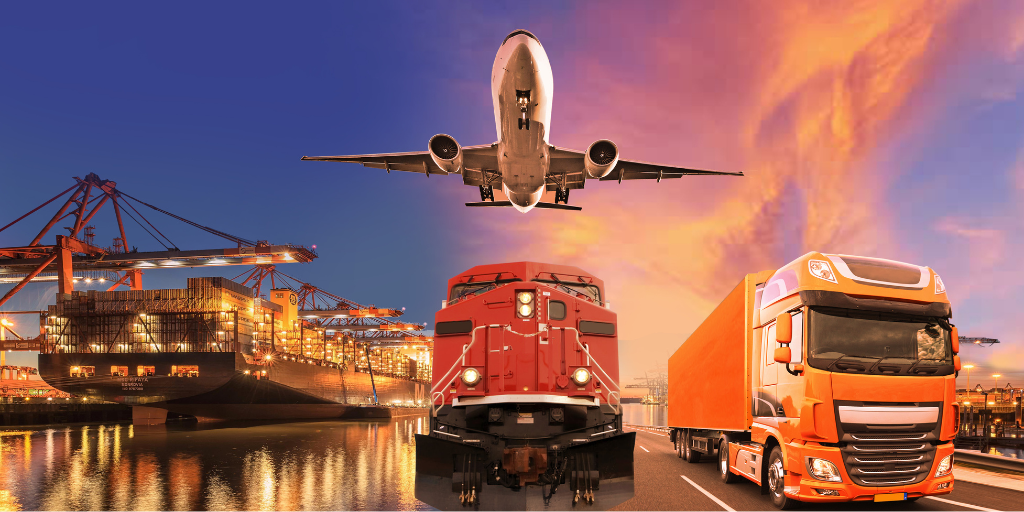
Australia-Indonesia trade is genuinely two-way. Australian businesses find strong demand across multiple sectors in the Indonesian market.
What Australia Exports to Indonesia
Agricultural products dominate Australian exports to Indonesia. Wheat moves in huge volumes – Indonesia is one of the world’s largest wheat importers, and Australia is a major supplier. Live cattle shipments serve Indonesia’s beef industry. Dairy products supply Indonesian food processors and consumer markets.
Minerals and resources form another massive category. Coal supplies Indonesian power generation. Iron ore and other minerals feed Indonesian industry.
Machinery and equipment sell across sectors. Australian-made mining equipment, agricultural machinery, and industrial equipment find buyers throughout Indonesia.
Premium manufactured goods serve niche markets. Australian-made products with quality reputations sell into specific Indonesian sectors.
Education services represent a significant non-goods export. Indonesian students form one of Australia’s largest international education cohorts.
Export Documentation and Requirements
Exporting to Indonesia means meeting Indonesian customs and inspection requirements. Food and agricultural products face the strictest rules – specific registration, labelling (often requiring Indonesian language), and certification requirements vary by product.
Generally, you’ll need commercial invoices, packing lists, and certificates of origin from the Australian side. Agricultural exports require health certificates, quarantine certificates, and product-specific documentation.
Your Indonesian buyer or their customs broker handles import clearance at their end. But having your export documentation correct from the start avoids delays and penalties.
TSL works with partners across Indonesia to coordinate smooth delivery to your buyers, whether they’re in Jakarta, Surabaya, or Bali.
How TSL Manages Indonesia-Australia Shipments
We handle logistics in both directions – importing from Indonesia or exporting from Australia.
For imports, our partner agents in Indonesia collect your cargo from your supplier, handle Indonesian export documentation, and arrange optimal shipping options. On the Australian side, our licensed customs brokers prepare your import entries, assess which trade agreement provides better duty treatment, ensure preferential rates are claimed correctly, liaise with ABF and DAFF on biosecurity requirements, and arrange delivery anywhere across Australia.
For exports, we collect from your Australian location, handle export documentation and clearance, book the freight, and work with our Indonesia partners to deliver to your buyer.
When issues arise – vessel delays, documentation queries, unexpected inspections – we resolve them. We’ve managed this route for over 25 years. We know how to fix problems quickly.
You get real-time tracking. When you call, you speak to someone who knows your shipment.
What We Need to Quote Your Shipment
To provide an accurate quote, we need: what you’re shipping (product description and HS codes if available), pickup and delivery locations, approximate weight and volume, and whether you need trade agreement documentation support.
We’ll provide a complete door-to-door quote covering freight, customs clearance, and delivery. No surprises when your goods arrive.
If you’re not sure about HS codes, trade agreement eligibility, or biosecurity requirements for your products, we can guide you. It’s what we do.
Get in Touch
Importing from Indonesia? Exporting Australian products? Either way, talk to us.
Contact TSL Australia:
Phone: 03 9533 8886
Request a quote
We’ll respond within 24 hours with a complete quote for your shipment.