Shipping Between Singapore and Australia: Import and Export Guide
Singapore sits at a crossroads. Goods flow through Singapore’s port from all directions – it’s the world’s second-busiest container port. For Australia, Singapore serves two roles: direct trade partner and transshipment hub for cargo moving between Australia and the rest of Asia.
Direct trade between Singapore and Australia hit US$14.89 billion in Singaporean exports and US$7.34 billion in Australian exports in 2024. But the real story is bigger – many shipments between Australia and other Asian countries route through Singapore’s massive port infrastructure.
The AANZFTA covers Singapore-Australia trade. The agreement got upgraded in April 2025 with improved provisions for supply chain resilience and simpler rules of origin. That makes the route work better for both importers and exporters.
Here’s what you need to know about freight, customs, and Singapore’s unique role in Australian trade.
Why Businesses Import from Singapore
Singapore’s role is dual. Some goods genuinely originate in Singapore – refined petroleum products, electronics assembly, specialty chemicals. But Singapore also serves as a transshipment point where cargo from other countries gets consolidated and redirected. Both matter for Australian importers.
AANZFTA and the 2025 Upgrade
The ASEAN-Australia-New Zealand Free Trade Agreement has covered Singapore-Australia trade since 2010. In April 2025, the agreement got upgraded with better provisions – supply chain resilience for critical goods, simplified origin rules, and a dedicated chapter on sustainable trade.
The upgraded agreement makes claiming preferential duty treatment easier. That saves money and reduces paperwork complexity.
What Gets Imported
Refined petroleum products lead Singaporean exports to Australia at US$6.94 billion in 2024. Singapore’s refineries process crude oil from around the region and export refined products. Australian markets buy refined petroleum, diesel, and related products from Singapore.
Machinery and nuclear reactors come in at US$1.73 billion. Some manufacture in Singapore. Some transship through Singapore from other Asian origins.
Electrical and electronic equipment totals US$1.06 billion. Singapore assembles electronics and also serves as a distribution hub for products manufactured elsewhere in Asia.
Optical, medical, and technical apparatus brings US$1.03 billion. Singapore has strong medical technology and precision instrument sectors.
Edible preparations at US$469 million – food products manufactured or distributed through Singapore for Australian markets.
The key thing to understand: some of these goods manufacture in Singapore. Others transship through Singapore from Malaysia, Indonesia, or other regional sources. The distinction matters for origin and duty purposes.
Sea Freight: Direct and Transshipment

Ocean freight dominates Singapore-Australia cargo. But the routes work differently than other countries.
Direct Services
Direct Singapore-Australia services carry cargo that originates in or around Singapore. Transit time runs around 6 to 10 days to eastern Australian ports. That’s quick – Singapore sits relatively close to Australia in shipping terms.
Singapore as Transshipment Hub
Here’s where it gets interesting. Many shipments between Australia and other Asian countries don’t travel direct. They route through Singapore’s port.
Example: cargo from Malaysia or Indonesia might consolidate at Singapore’s port, then ship to Australia on a larger vessel. Or cargo from multiple Australian origins might consolidate in Singapore before distributing across Southeast Asia.
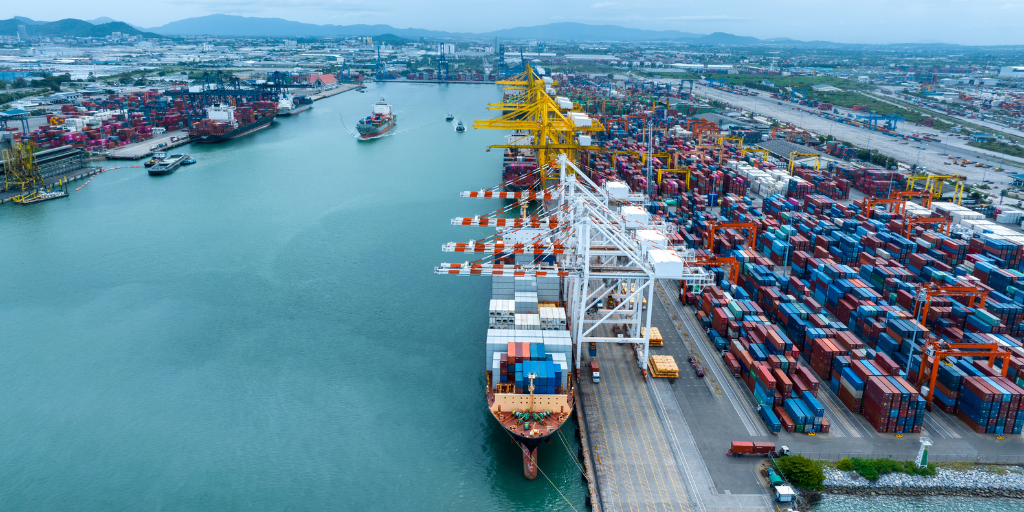
Singapore’s port handles this transshipment role at massive scale. The Port of Singapore is the world’s second-busiest container port. Its infrastructure, location, and shipping line networks make it a natural hub.
Container Options
Standard FCL and LCL options apply. Given Singapore’s role as a consolidation hub, LCL shipments commonly route through Singapore even when the actual cargo originates elsewhere in the region.
Key Ports
The Port of Singapore dominates. Multiple terminal operators, massive throughput, connections to every shipping line that matters. For Australia trade, it’s the gateway.
In Australia, Port of Melbourne, Port Botany in Sydney, and Port of Brisbane handle most Singapore cargo. Fremantle takes some western-bound shipments.
Air Freight from Singapore
Singapore’s Changi Airport serves as a major air cargo hub for the Asia-Pacific region. Direct flights to Sydney, Melbourne, and Brisbane run daily with multiple carriers.
For urgent shipments, Singapore offers excellent air freight connectivity. Transit time runs 1 to 3 days for most cargo.
Singapore’s role as a regional hub means air cargo can consolidate there too, similar to sea freight. Shipments from around Southeast Asia can route through Changi before flying to Australia.
Understanding Shipping Costs
Freight quotes vary depending on whether your cargo genuinely originates in Singapore or transships through.
Direct Singapore-origin cargo follows standard pricing – base freight plus origin charges, destination charges, surcharges.
Transshipped cargo may incur additional handling fees at Singapore for the consolidation or deconsolidation process.
Ask for clarity on whether quotes include Singapore transshipment fees if your cargo isn’t actually Singapore-origin. Port-to-port versus door-to-door pricing can look very different once you factor in all the handling.
Customs Clearance and AANZFTA Benefits
AANZFTA covers Singapore-Australia trade. The upgraded agreement from April 2025 makes things easier.
Claiming AANZFTA Benefits
To claim preferential rates under AANZFTA, your goods must genuinely originate in Singapore (or another AANZFTA country if transshipping). That’s the key distinction.
If goods manufacture in Singapore, they qualify. If they’re transshipping through Singapore from a non-AANZFTA country, they don’t.
Your Singaporean supplier or freight forwarder can confirm origin status. Certificate of Origin documentation proves it.
Our customs brokers ensure correct claiming of AANZFTA benefits where applicable.
Australian Requirements
Every import requires declaration to Australian Border Force. Standard documentation applies – commercial invoice, packing list, bill of lading.
For AANZFTA benefits, appropriate origin certificates are needed.
Depending on products, additional permits or certificates may apply.
Biosecurity
DAFF enforces biosecurity controls. BICON specifies requirements. Standard biosecurity rules apply based on what you’re importing.
Duties and GST
With AANZFTA, many goods enter duty-free or at reduced rates. Without AANZFTA (for transshipped non-AANZFTA origin goods), standard duties apply.
GST hits at 10% regardless.
Exporting from Australia to Singapore
Singapore imports from Australia steadily. Resources and food products particularly.
What Australia Exports
Refined petroleum products lead at US$2.64 billion. Australian refineries export to Singapore.
Precious stones and metals total US$2.38 billion. Gold and other precious metals trade through Singapore’s commodities markets.
Vegetable oils bring US$277 million. Aircraft and spacecraft hit US$254 million. Machinery totals US$249 million.
Meat, dairy, and various agricultural products complete the mix. Singapore imports food products from Australia to serve its population.
Export Requirements
Singapore’s import regulations are generally efficient. Food products need appropriate certificates. Standard export documentation applies.
Your Singaporean buyer handles import clearance. Getting your paperwork right avoids delays.
TSL coordinates with partners in Singapore for delivery.
How TSL Manages Singapore-Australia Shipments
We handle logistics both directions – direct Singapore trade and transshipment routing.
For imports, our Singapore network collects cargo, handles documentation, and books shipping. Our Australian customs brokers prepare entries, claim AANZFTA where applicable, and arrange delivery.
For exports, we collect from your Australian location, handle documentation, book freight, and coordinate Singapore delivery.
We understand Singapore’s role as both origin and hub. We can advise whether direct or transshipment routing makes more sense for your specific cargo and timing needs.
When you call, you speak to someone who knows your shipment.
What We Need to Quote Your Shipment
To provide an accurate quote, we need: product description and HS codes if available, pickup and delivery locations, approximate weight and volume, and whether cargo originates in Singapore or transships through.
We’ll provide full door-to-door pricing.
If you’re not sure about origin status, AANZFTA eligibility, or routing options, we can advise.
Get in Touch
Importing from Singapore? Exporting Australian products? Either way, talk to us.
Contact TSL Australia:
Phone: 03 9533 8886
Request a quote
We’ll respond within 24 hours with a full quote.